Replacing a roof is one of the most important investments a homeowner can make. Beyond improving aesthetics, a roof protects your home, enhances energy efficiency, and boosts property value. Understanding the factors that influence roof replacement costs helps you plan a budget, avoid surprises, and select the right materials and contractors.
This comprehensive guide by Rj’s Roofing and Siding LLC covers key cost factors, estimated prices, budgeting tips, and expert advice for homeowners planning a roof replacement or seeking professional roofing services.
Why Understanding Roof Replacement Costs Matters
A roof isn’t just a cover for your home; it’s a shield against weather, a contributor to energy efficiency, and a factor in resale value. Homeowners often face confusion about costs because every roof is different. By understanding the key cost factors, you can make informed decisions, protect your investment, and ensure your new roof is both durable and long-lasting.
Key Factors That Affect Roof Replacement Costs
1. Roof Size and Complexity
The size of your roof is one of the most significant cost factors. Larger roofs require more materials and labor. Complexity also plays a critical role:
- Simple, flat roofs are easier and cheaper to install.
- Roofs with multiple peaks, valleys, dormers, or steep slopes require specialized labor, additional safety measures, and more equipment, increasing overall expenses.
2. Roofing Material
Material choice affects both cost and durability. Common options include:
- Asphalt Shingles: $5,000 – $12,000 for an average-sized home
- Metal Roofing: $10,000 – $25,000
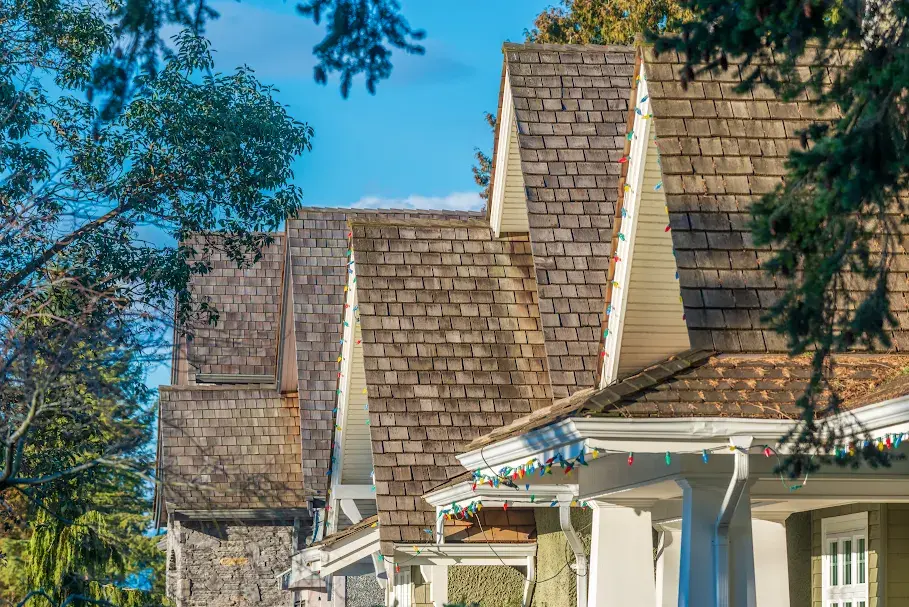
- Wood Shakes: $12,000 – $30,000
- Tile Roofing: $15,000 – $35,000
- Synthetic Roofing: $8,000 – $20,000
These are estimated ranges for an average-sized home. Actual costs may vary depending on factors such as roof complexity, location, labor rates, structural repairs, and additional features.
Each material has different pricing, lifespan, and installation requirements. Choosing the right one balances your budget with long-term value and durability. Energy-efficient materials may cost more upfront but save money on cooling bills over time.
3. Labor Costs and Regional Factors
Labor rates vary depending on location, contractor experience, and demand. High-cost areas or regions with limited skilled roofers may see higher labor prices. Local building codes, permits, and climate also influence labor needs. For example, areas with extreme weather may require reinforced materials or additional safety precautions.
4. Structural Repairs
Sometimes, your old roof may need to be removed before a replacement. Structural repairs could include:
- Replacing rotted decking
- Reinforcing weakened framing
- Adjusting roof components for proper installation
These repairs increase the overall cost but are essential for safety, longevity, and compliance with modern building standards.
5. Additional Features
Extras such as skylights, chimneys, ventilation upgrades, or gutter services can affect the overall cost. Updating or replacing these features during a professional roof replacement helps ensure your roof system functions properly and prevents future damage.
How Homeowners Can Budget for a Roof Replacement
- Identify Your Priorities: Decide if your main goal is durability, energy efficiency, or resale value.
- Obtain Multiple Quotes: Compare estimates from licensed and insured roofing contractors.
- Review Warranties: Ensure both materials and labor are covered.
- Consider Timing: Scheduling during off-peak seasons can help reduce costs.
- Plan for Long-Term Savings: Investing in high-quality materials may reduce maintenance and energy costs over time.
Tips for Maximizing Value
- Select durable, energy-efficient materials to increase long-term return on investment.
- Hire experienced, certified roofers who understand local building codes and weather conditions.
- Include gutters services and ventilation upgrades to protect your roof system.
- Maintain your roof regularly to extend its lifespan and prevent unexpected repairs.
Estimated Roof Replacement Costs (General Guidelines)
| Material Type | Estimated Cost (Average Home) |
|---|---|
| Asphalt Shingles | $5,000 – $12,000 |
| Metal Roofing | $10,000 – $25,000 |
| Wood Shakes | $12,000 – $30,000 |
| Tile Roofing | $15,000 – $35,000 |
| Synthetic Roofing | $8,000 – $20,000 |
Note: Final costs depend on roof size, complexity, structural repairs, regional labor rates, and additional features like skylights or gutter services.
Conclusion
A roof replacement is more than a cosmetic upgrade; it protects your home, improves energy efficiency, and increases property value. By understanding cost factors, considering estimated prices, and working with experienced contractors, homeowners can confidently plan for a safe, durable, and long-lasting roof.
FAQs
1. What factors most affect roof replacement costs?
Roof size, material choice, roof complexity, labor rates, and structural repairs are the main cost drivers.
2. How long does a new roof typically last?
Roof lifespan varies by material: asphalt shingles (20–30 years), metal (40–50 years), tile (50+ years), and synthetic (25–40 years).
3. Should I repair or replace my roof?
If the roof is old, sagging, leaking, or extensively damaged, replacement is usually more cost-effective than repair.
4. Will a new roof increase my home’s value?
Yes. A modern, energy-efficient roof enhances curb appeal and can boost resale value.
5. Can I include gutters and other upgrades during a roof replacement?
Absolutely. Including gutters services and ventilation improvements ensures proper functionality and long-term protection.