Your roof protects everything in your home, from your furniture to your family. A small leak may seem harmless at first, but it can lead to mold, structural damage, and expensive repairs if ignored. Regular roof inspections help you catch issues early and extend the lifespan of your roof.
At Rj’s Roofing and Siding LLC, we provide professional roof inspections to keep your home safe and prevent costly damage. Here’s everything homeowners need to know about roof inspections.
Why Roof Inspections Are Essential
Many homeowners skip inspections because the roof looks fine from the ground. However, small problems like loose shingles, damaged flashing, or minor leaks can quickly escalate into major repairs.
Key Risks of Skipping Roof Inspections:
- Water damage to walls, ceilings, and insulation
- Structural damage to roof decking, rafters, and joists
- Mold growth and wood rot
- Reduced roof lifespan and increased repair costs
Regular inspections catch these issues before they become expensive problems.
What Happens During a Roof Inspection
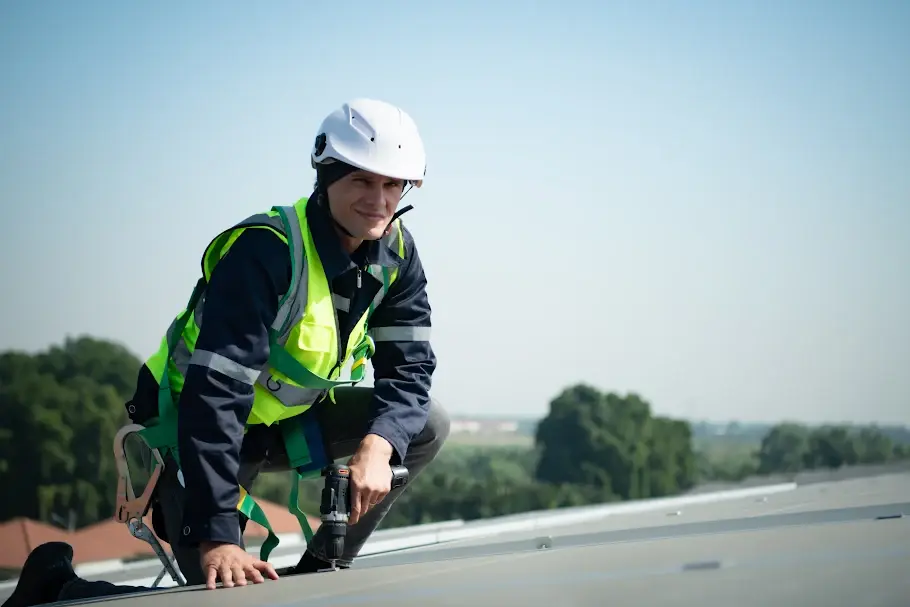
Professional roof inspectors thoroughly examine your roof and perform routine roof maintenance, including:
- Shingles and flashing
- Gutters and downspouts
- Roof vents and ventilation systems
- Attic and interior for signs of leaks or moisture
The goal is to identify small issues like cracked shingles, loose nails, or minor leaks before they grow into serious damage.
Benefits of Regular Roof Inspections
1. Catch Small Problems Early
Early detection allows minor repairs to prevent leaks, mold, and wood rot, saving money and stress. Issues like a single cracked shingle or a loose nail, which may seem minor, can escalate quickly if unnoticed.
2. Protect Your Home from Water Damage
Roof inspections prevent moisture from entering your home, protecting both the structure and your belongings. By addressing vulnerabilities such as damaged flashing or clogged gutters, inspections help safeguard walls, ceilings, and insulation from water damage and mold growth.
3. Extend Roof Lifespan
A well-maintained roof lasts longer. Inspections help identify areas of wear or aging materials, allowing timely repairs that prolong the roof’s durability. Preventive care reduces the need for premature replacement and keeps your home’s investment secure.
4. Save Money Over Time
Preventive maintenance is far cheaper than emergency repairs. Inspections reduce the risk of unexpected, costly fixes and can prevent insurance claims for avoidable damage. Over the lifespan of your roof, these small savings add up significantly.
5. Improve Energy Efficiency
Inspections can uncover gaps, damaged vents, or poor insulation that impact your home’s energy efficiency. By addressing these issues, you can reduce heating and cooling costs and maintain a comfortable indoor environment.
6. Enhance Safety
Damaged or weakened roof areas can pose safety risks, especially during storms or heavy snowfall. Regular inspections ensure that structural integrity is maintained, reducing the risk of accidents caused by roof failures.
7. Maintain Home Value
A well-maintained roof improves curb appeal and protects the overall value of your home. For homeowners planning to sell, a roof inspection provides documentation of good upkeep, boosting buyer confidence.
When to Schedule a Roof Inspection
Regular checkups are essential, but inspections are particularly important:
- After strong storms, high winds, or hail
- Before buying or selling a home
- Every 1-2 years as part of routine maintenance
Wrapping Up
A roof inspection may seem like a minor task, but it plays a crucial role in preventing major issues. Regular inspections protect your home from water damage, extend the life of your roof, and provide peace of mind. By scheduling an inspection with Rj’s Roofing and Siding LLC, you take a proactive step toward keeping your home safe, secure, and well-maintained.
FAQs
What is the purpose of a roof inspection?
To find and fix minor issues like damaged shingles, clogged gutters, or vent problems before they become major repairs.
When should you not go on a roof?
Avoid walking on the roof during icy conditions, high winds, sagging rooflines, or soft spots.
Can a roof collapse from a leak?
Persistent moisture can cause structural rot in rafters and trusses, but minor leaks rarely lead to collapse if addressed early.
What are the most important items to check during a roof inspection?
Shingles, flashing around chimneys and vents, gutters, and attic interior for signs of leaks or moisture.
How long can a roof leak before damage occurs?
Structural damage can begin within 48 hours, and prolonged leaks can cause permanent wood rot if ignored for more than two weeks.