A strong and reliable roof is one of the most essential investments a homeowner can make. It not only protects your property from harsh weather but also improves curb appeal and overall value. If you’re planning a roof installation in 2025, understanding the costs, materials, and installation process is key to making informed decisions.
This guide by Rj’s Roofing and Siding LLC covers everything you need to know, from how much a new roof costs to the exact roof installation step-by-step process, materials to consider, and what to expect from professional contractors.
Roof Installation Step-by-Step Guide
A typical roof installation project can take anywhere from 1 to 3 days, depending on your home’s size, the roofing material, and weather conditions. Below is a detailed overview of the standard roof installation process every homeowner should know:
1. Preparation and Old Roof Removal (Tear-Off)
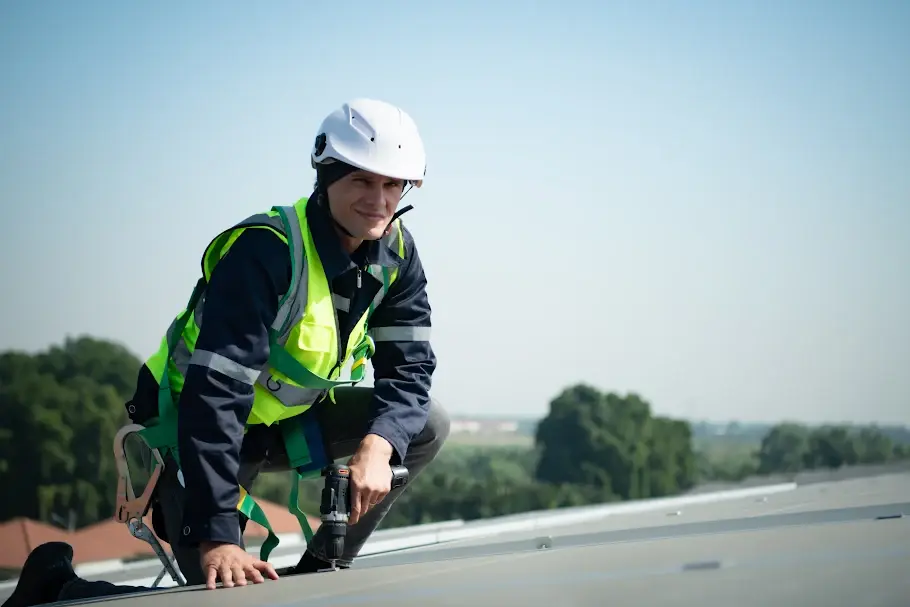
The first step involves setting up safety equipment, tarps, and scaffolding to protect your landscaping and property. The crew then removes old shingles, flashing, and underlayment, disposing of the debris responsibly. This clears the way for a brand-new roofing system.
2. Roof Deck Inspection and Repair
Once the old roofing is removed, the roof decking (the wooden base) is inspected for rot, damage, or weak spots. Any compromised sections are replaced to ensure a solid foundation for your new roof. If damage is extensive, minor roof repair work may be done before continuing.
3. Underlayment and Drip Edge Installation
A waterproof underlayment is installed to serve as a moisture barrier beneath the roofing material. Contractors also fit a drip edge, a metal flashing that directs rainwater into gutters and prevents leaks along the roof’s edge.
4. Flashing and Ventilation Setup
Proper ventilation ensures energy efficiency and extends your roof’s lifespan. During installation, new flashing is applied around chimneys, skylights, and vents to seal potential leak points. Ridge vents and attic vents are installed to regulate airflow and prevent heat buildup.
5. Roof Covering Installation
This is where your roof starts to take shape. The selected roofing material, asphalt shingles, metal panels, tiles, or slate, is installed carefully following manufacturer guidelines. The contractor ensures precise alignment and secure fastening for lasting durability.
6. Cleanup and Final Inspection
After installation, all debris, nails, and materials are cleaned up. A final inspection is carried out to confirm quality, safety, and homeowner satisfaction. Many roofing companies offer a workmanship warranty, ensuring long-term peace of mind.
Roof Installation Costs in 2025
The average estimated roof installation cost in 2025 ranges between $7,000 and $18,000, depending on the roof’s size, pitch, and material type. Here’s a breakdown of what affects total cost:
- Size of the Roof – Larger roofs require more materials and labor.
- Roof Complexity – Multi-slope or steep roofs take longer to install.
- Material Choice – Premium materials like slate and metal cost more but last longer.
- Labor Costs – Professional installation usually accounts for 50–60% of the total cost.
- Roof Repairs or Deck Replacement – Extra costs may occur if the underlying decking or structure needs fixing.
Roofing Materials — Prices, Pros & Lifespan
| Material Type | Average Estimated Cost (Installed) | Estimated Lifespan | Key Benefits |
|---|---|---|---|
| Asphalt Shingles | $3.50 – $6.50 per sq. ft. | 15–30 years | Affordable, easy to install, widely available |
| Metal Roofing | $8.00 – $18.00 per sq. ft. | 40–70 years | Durable, energy-efficient, modern appearance |
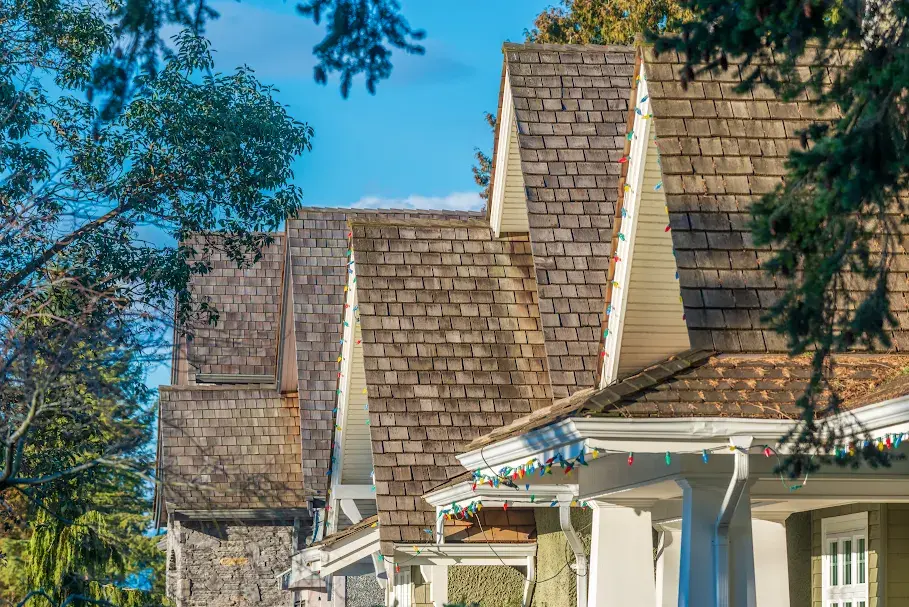
| Clay or Concrete Tiles | $10.00 – $25.00 per sq. ft. | 50–100 years | Fire-resistant, long-lasting, elegant look |
| Wood Shakes/Shingles | $6.00 – $14.00 per sq. ft. | 20–30 years | Natural aesthetic, eco-friendly |
| Slate Roofing | $15.00 – $30.00 per sq. ft. | 75–200 years | Timeless appeal, highest durability |
When choosing the best material, consider your budget, climate, and home design. For instance, metal roofing works best in coastal or storm-prone regions, while asphalt shingles are perfect for budget-conscious homeowners seeking dependable performance.
Tips for a Successful Roof Installation Project
- Get multiple quotes: Compare prices and warranties from licensed contractors.
- Check insurance and permits: Ensure your roofer is certified and insured.
- Choose energy-efficient materials: Reflective shingles or metal roofs reduce cooling costs.
- Schedule wisely: Plan installation during mild weather for faster completion.
- Ask about maintenance: Regular inspections and cleaning help extend roof life.
Common Mistakes to Avoid During Roof Installation
- Hiring unlicensed or uninsured contractors.
- Ignoring ventilation requirements.
- Choosing materials solely based on price.
- Skipping deck inspection or repairs.
- Neglecting post-installation maintenance.
Avoiding these mistakes ensures your investment lasts for decades and reduces long-term repair costs.
Conclusion
Installing a new roof is one of the most significant projects you’ll undertake as a homeowner. Understanding the roof installation costs, materials, and step-by-step process will help you make informed choices and ensure lasting protection for your home. Whether you’re upgrading for energy efficiency, durability, or aesthetics, the right planning and professional installation will give your property a strong, beautiful roof for years to come.
FAQs
1. How long does a roof installation take?
Most residential roof installations are completed within 1–3 days, depending on the size and complexity of the roof.
2. How often should I replace my roof?
The typical lifespan ranges from 20–50 years, depending on the material and maintenance.
3. What time of year is best for roof installation?
Spring and fall are ideal seasons due to mild weather and stable conditions.
4. What should I do to prepare my home before roof installation?
Before your roof installation begins, clear your driveway and yard to provide access for trucks and equipment. Move outdoor furniture, cover valuables in the attic, and inform neighbors about the project. This preparation ensures a smoother and safer installation process.
5. How do I find a trustworthy roofing contractor?
Look for licensed, insured professionals with strong customer reviews and warranties.